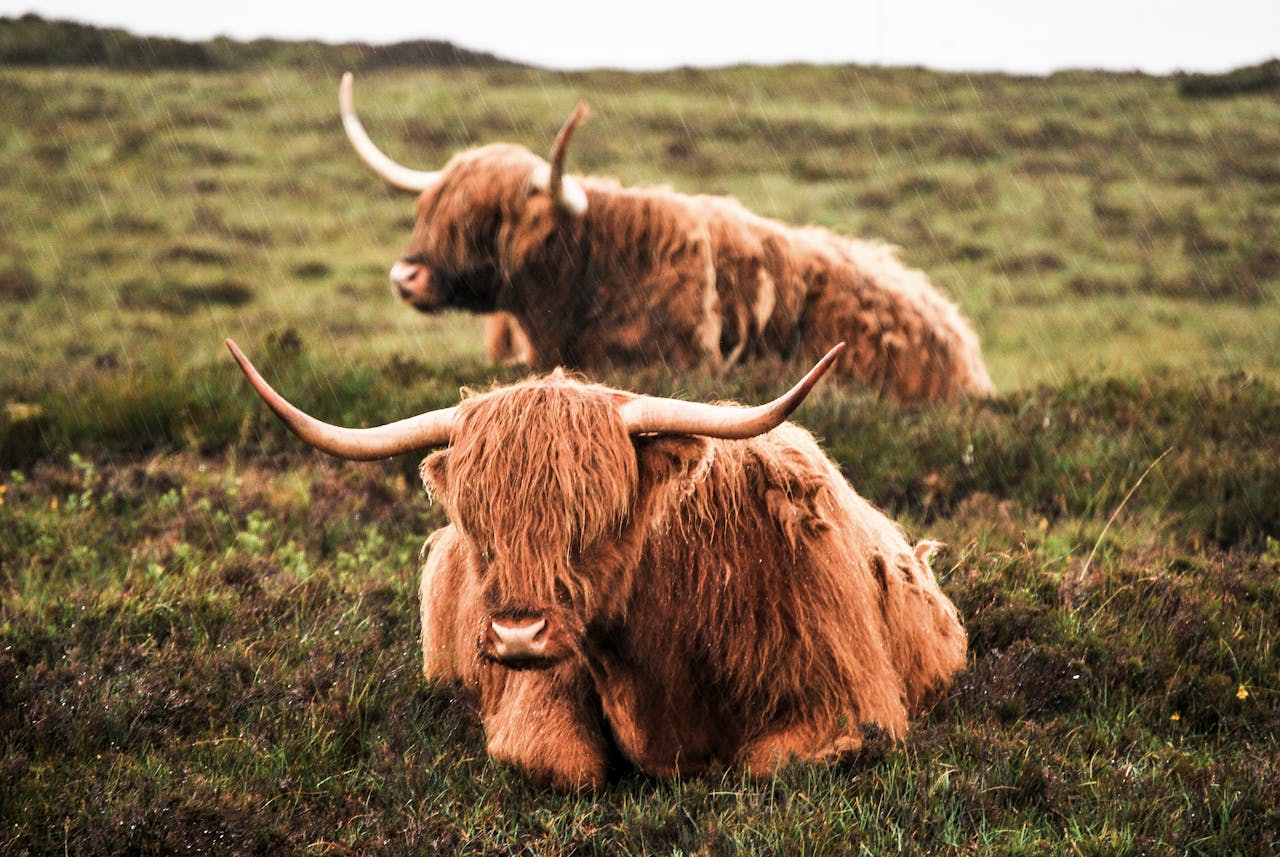
Highlander cows, known for their distinctive long horns and shaggy coats, are a breed that has captured the hearts of many livestock enthusiasts. Originating from the Scottish Highlands, these cattle are renowned for their hardiness and adaptability to harsh climates. However, within this breed, there exists a fascinating distinction between mini and standard Highlander cows. This article delves into the key differences, benefits, and considerations for each type.
Size and Appearance
The most apparent difference between mini and standard Highlander cows is their size. Standard Highlanders typically weigh between 1,200 to 1,800 pounds and stand about 4 to 5 feet tall at the shoulder. In contrast, mini Highlanders are bred to be smaller, usually weighing between 400 to 1,000 pounds and standing around 36 to 42 inches tall. This size difference makes mini Highlanders more suitable for smaller farms or homesteads where space is limited.
Both types share the same iconic features: a thick, wavy coat that can range in color from black to red, and the characteristic long horns that can span up to 3 feet. The mini Highlanders, while smaller, retain the same charming appearance, making them equally appealing to those who appreciate the breed’s aesthetic qualities.
Temperament and Behavior
Highlander cows are generally known for their calm and docile nature. Both mini and standard varieties exhibit friendly dispositions, making them suitable for families and novice farmers. However, mini Highlanders may be slightly more manageable due to their smaller size, which can make handling and care easier for individuals who may not have extensive experience with larger cattle.
Both types are social animals and thrive in herds. They exhibit strong maternal instincts, and their gentle demeanor makes them a favorite among children and visitors on farms. Whether mini or standard, Highlanders are known to form strong bonds with their caretakers.
Feeding and Care
When it comes to feeding and care, both mini and standard Highlanders have similar dietary needs, requiring a balanced diet of hay, pasture, and supplemental grains as necessary. However, due to their smaller size, mini Highlanders may require less feed overall, which can be a cost-effective advantage for small-scale farmers.
In terms of health care, both types are relatively low-maintenance. Highlanders are hardy animals that are well-suited to various climates, but regular veterinary check-ups, vaccinations, and hoof care are essential for both mini and standard varieties to ensure their well-being.
Purpose and Use
The choice between mini and standard Highlander cows often depends on the intended purpose. Standard Highlanders are typically raised for beef production, as they yield a higher quantity of meat. Their meat is known for its lean quality and rich flavor, making it a sought-after choice among consumers.
On the other hand, mini Highlanders are often kept for companionship, as pets, or for educational purposes in schools and community farms. Their smaller size makes them ideal for those looking to enjoy the benefits of cattle ownership without the commitment of larger animals.
Conclusion
In summary, both mini and standard Highlander cows offer unique advantages depending on the needs and circumstances of the owner. Mini Highlanders are perfect for those with limited space or who seek a more manageable animal, while standard Highlanders are ideal for those focused on beef production. Regardless of the choice, both types embody the charm and resilience of the Highlander breed, making them a delightful addition to any farm or homestead.