
When it comes to the fascinating world of South American camelids, two species often capture the attention of enthusiasts and casual observers alike: the llama and the alpaca. While they share a common ancestry and exhibit several similarities, these two animals possess distinct characteristics that set them apart. This article delves into the differences and similarities between llamas and alpacas, exploring their physical traits, temperaments, uses, and cultural significance.
Physical Characteristics
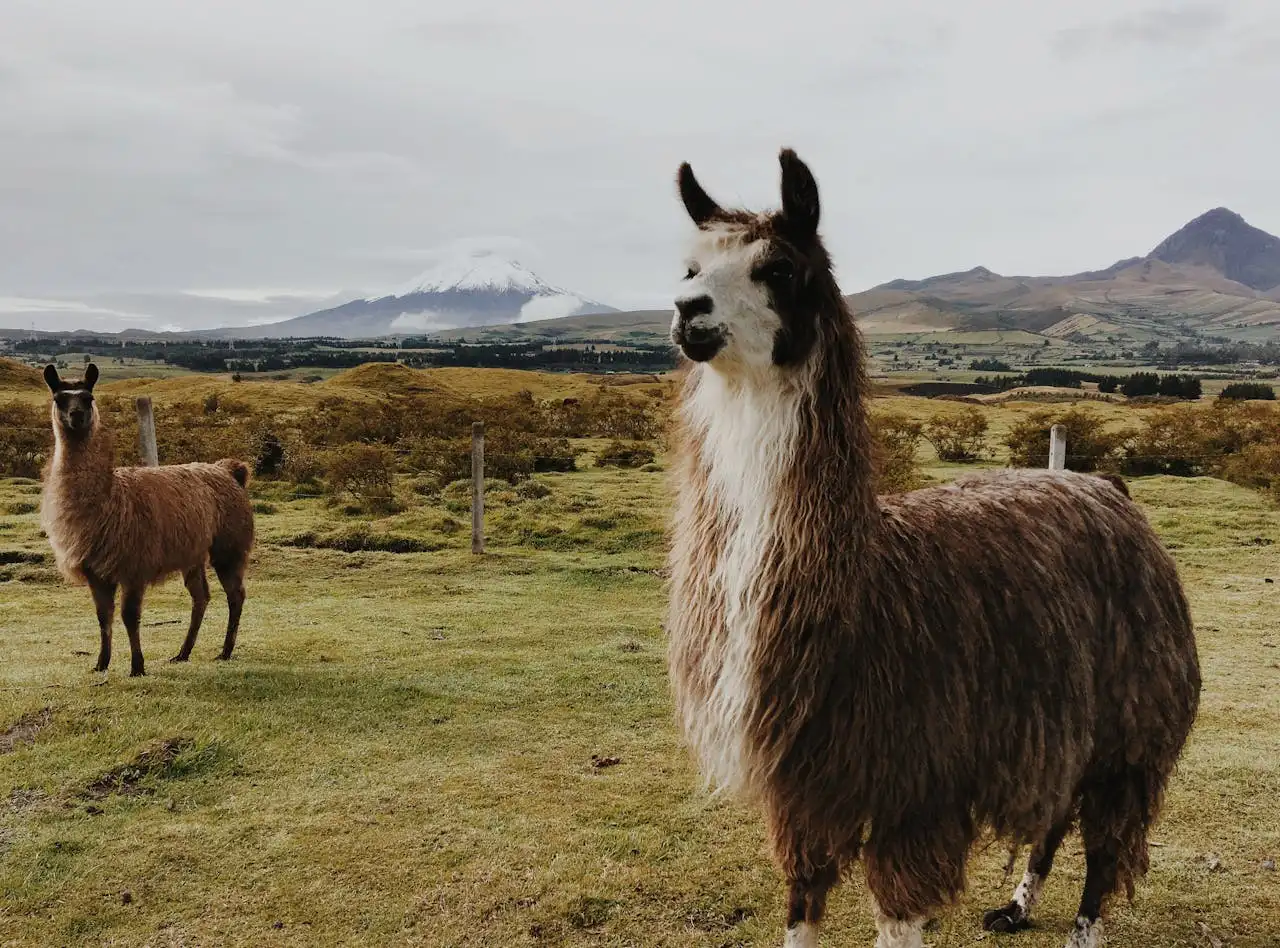
Llamas (Lama glama) are larger than alpacas (Vicugna pacos), typically standing between 5.5 to 6 feet tall at the head and weighing between 250 to 450 pounds. They have long necks, elongated faces, and large, banana-shaped ears. Their coats are coarse and can come in a variety of colors, including white, brown, gray, and black.
In contrast, alpacas are smaller, standing about 3 to 4 feet tall at the head and weighing between 100 to 200 pounds. They have a more compact body, shorter necks, and a rounded face with smaller, straight ears. Alpacas are renowned for their luxurious fleece, which is soft and comes in over 22 natural colors, making them highly sought after in the textile industry.
Temperament and Behavior
Both llamas and alpacas are social animals that thrive in herds, but their temperaments differ. Llamas are known for their independent and assertive nature. They can be protective of their herd and are often used as guard animals for livestock. Their confident demeanor makes them suitable for various roles, including pack animals and companions.
Alpacas, on the other hand, are generally more docile and gentle. They are known for their curious and friendly disposition, making them popular choices for petting zoos and therapy animals. Alpacas communicate through a series of soft hums and body language, while llamas may express themselves with a range of vocalizations, including alarm calls.
Uses and Economic Importance
Historically, both llamas and alpacas have played significant roles in the lives of indigenous peoples in the Andes. Llamas have been used as pack animals for centuries, capable of carrying heavy loads across rugged terrain. Their meat, hides, and wool have also been utilized for food, clothing, and shelter.
Alpacas are primarily valued for their fleece, which is considered one of the finest natural fibers in the world. The softness, warmth, and hypoallergenic properties of alpaca wool make it a preferred material for high-quality garments and textiles. The growing demand for alpaca products has led to an increase in alpaca farming, contributing to the economies of several South American countries.
Cultural Significance
In Andean culture, both llamas and alpacas hold symbolic importance. Llamas are often associated with strength and endurance, while alpacas are seen as symbols of prosperity and luxury due to their prized fleece. Festivals celebrating these animals are common in regions where they are raised, highlighting their integral role in local traditions and economies.
Conclusion
In summary, while llamas and alpacas share a common lineage and exhibit some similarities, they are distinct species with unique characteristics and roles in human society. Llamas, with their larger size and assertive nature, serve as versatile pack animals and protectors, while alpacas, known for their gentle demeanor and exquisite fleece, are cherished for their contributions to the textile industry. Understanding the differences between these two remarkable animals enriches our appreciation for the diversity of life on our planet and the cultural heritage of the Andean people.