
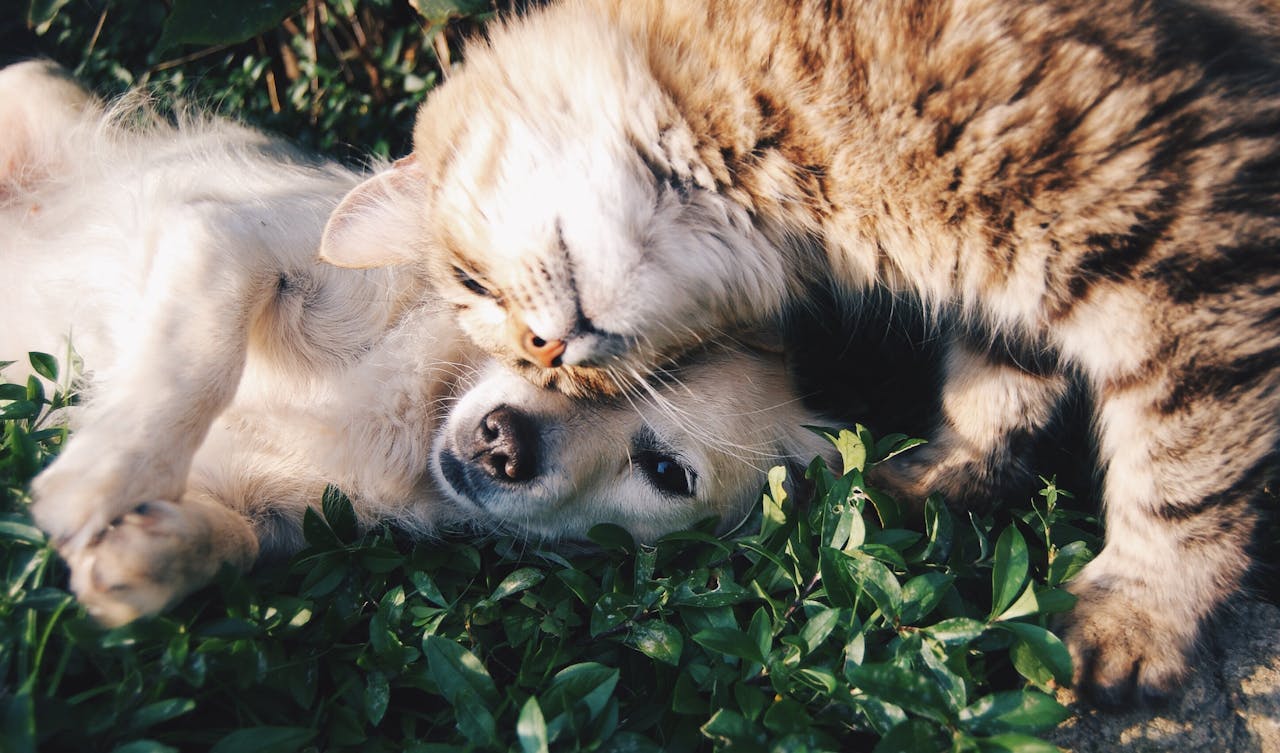
Training your pets is an essential part of responsible pet ownership. Whether you have a playful puppy or a curious kitten, effective training can enhance your relationship with your furry friends and ensure a harmonious household. Here are some valuable tips for training both dogs and cats.
Dog Training Tips
- Start Early: Begin training your dog as soon as you bring them home. Puppies are most receptive to learning between 8 and 16 weeks of age. However, older dogs can also learn new tricks with patience and consistency.
- Use Positive Reinforcement: Reward-based training is the most effective method. Use treats, praise, or playtime as rewards for good behavior. This encourages your dog to repeat the desired actions.
- Be Consistent: Consistency is key in dog training. Use the same commands and cues for specific behaviors, and ensure all family members are on the same page to avoid confusion.
- Keep Sessions Short: Dogs have short attention spans, so keep training sessions brief—around 5 to 10 minutes. Frequent, short sessions are more effective than long, infrequent ones.
- Socialization: Expose your dog to different environments, people, and other animals. Proper socialization helps prevent behavioral issues and promotes a well-adjusted pet.
- Patience is Essential: Every dog learns at their own pace. Be patient and avoid punishment, as it can lead to fear and anxiety. Instead, focus on encouraging positive behavior.
Cat Training Tips
- Start with Basic Commands: While cats are often seen as independent, they can learn basic commands like “sit” or “come.” Use treats to encourage them to respond to these commands.
- Use Clicker Training: Clicker training can be effective for cats. The sound of the clicker marks the desired behavior, followed by a treat. This method helps cats associate the click with positive reinforcement.
- Create a Stimulating Environment: Cats thrive in environments that challenge them mentally and physically. Provide toys, scratching posts, and climbing structures to keep them engaged.
- Litter Box Training: Most cats instinctively use a litter box, but if your cat is having issues, ensure the box is clean and placed in a quiet, accessible location. Reward them when they use it correctly.
- Redirect Unwanted Behavior: If your cat is scratching furniture or climbing on counters, redirect their behavior by providing appropriate alternatives, such as scratching posts or cat trees.
- Be Patient and Observant: Cats may take longer to learn than dogs. Observe their body language and be patient. Celebrate small victories to encourage continued progress.
Conclusion
Training your dog or cat requires time, patience, and consistency, but the rewards are well worth the effort. A well-trained pet is not only a joy to have but also contributes to a peaceful home environment. By following these tips, you can foster a strong bond with your furry companions and ensure they are well-behaved members of your family.