Guinea fowl, often recognized for their unique appearance and distinctive calls, are fascinating birds that have captured the interest of poultry enthusiasts and wildlife lovers alike. Here are some cool facts about these remarkable creatures:
- Diverse Species: There are several species of guinea fowl, with the Helmeted Guinea Fowl being the most common. Other species include the Vulturine Guinea Fowl, which is known for its striking blue and black plumage, and the Crested Guinea Fowl, which features a distinctive crest on its head.
- Social Birds: Guinea fowl are highly social animals that thrive in flocks. They communicate with each other through a variety of vocalizations, including a series of clucks and squawks. Their social structure is complex, and they often engage in cooperative behaviors, such as foraging together and alerting each other to potential dangers.
- Natural Pest Control: One of the most beneficial aspects of guinea fowl is their role in pest control. They are voracious eaters of insects, including ticks, beetles, and grasshoppers. This makes them a valuable addition to farms and gardens, as they help reduce pest populations without the need for chemical pesticides.
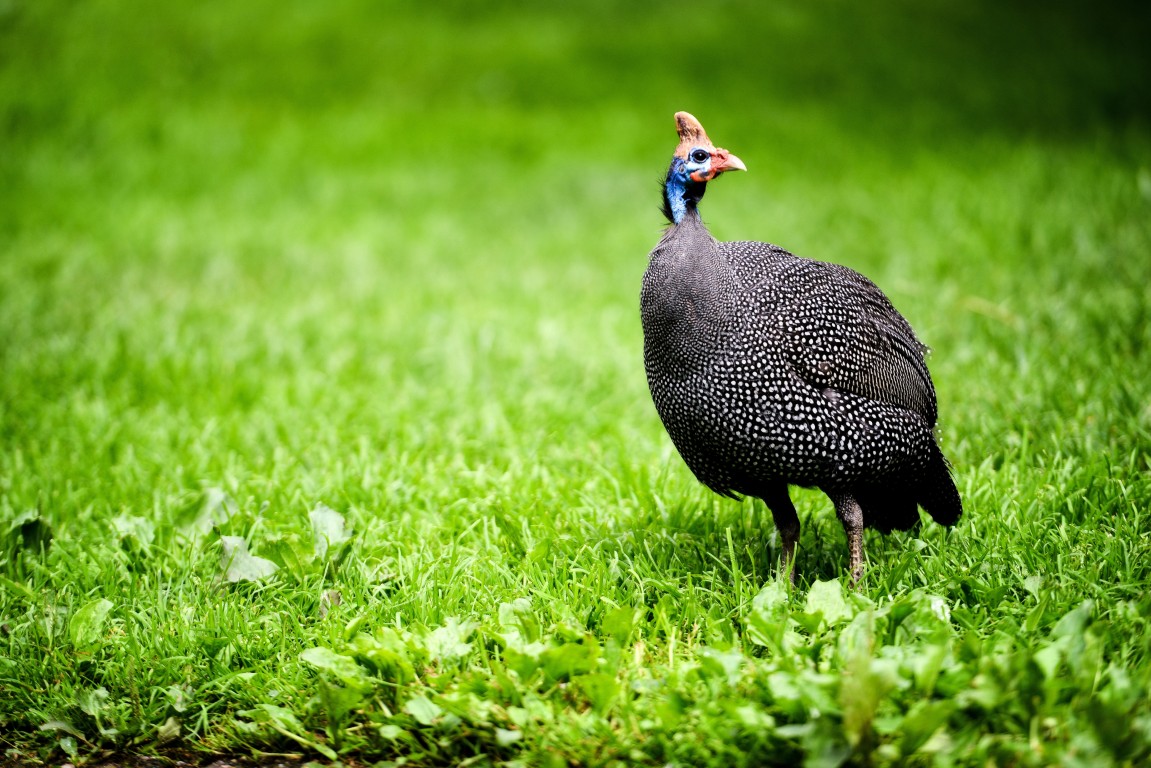
- Unique Appearance: Guinea fowl are easily recognizable due to their distinctive spotted feathers and bare heads. Their plumage is typically a mix of gray and black, adorned with white spots that provide excellent camouflage in their natural habitat. The bare skin on their heads and necks is thought to help them regulate body temperature.
- Strong Homing Instinct: Guinea fowl possess a remarkable homing ability. If they are raised in a specific area, they can find their way back home even from considerable distances. This trait makes them particularly resilient and adaptable to various environments.
- Cultural Significance: In many cultures, guinea fowl hold significant cultural value. They are often featured in traditional ceremonies and are considered symbols of prosperity and good fortune. In some regions, their meat is a delicacy, and their eggs are prized for their rich flavor.
- Lifespan and Reproduction: Guinea fowl typically live for about 10 to 15 years in captivity. They are known for their unique nesting habits, often laying eggs in hidden locations to protect them from predators. A female guinea fowl can lay between 20 to 30 eggs in a single clutch, which she incubates for about 26 to 28 days.
- Adaptability: These birds are highly adaptable and can thrive in various environments, from savannas to forests. They are primarily ground-dwelling birds but are also capable of flying short distances, which helps them escape from predators.
In conclusion, guinea fowl are not only intriguing due to their unique characteristics and behaviors but also play an essential role in agriculture and ecosystems. Their social nature, pest control abilities, and cultural significance make them a remarkable species worthy of appreciation and study.